


• Material Systems

    Modern wood residential storefront window

This is not a catalog of products, but a framework for making the right decisions.

Every fenestration system is a response to context.

Architecture, climate, performance requirements, scale, and intent all shape what is appropriate, and what is not.

Dynamic does not present product lines as fixed solutions.

We guide the selection of materials and systems through a Navigator-led process that aligns each decision with the architecture it serves.

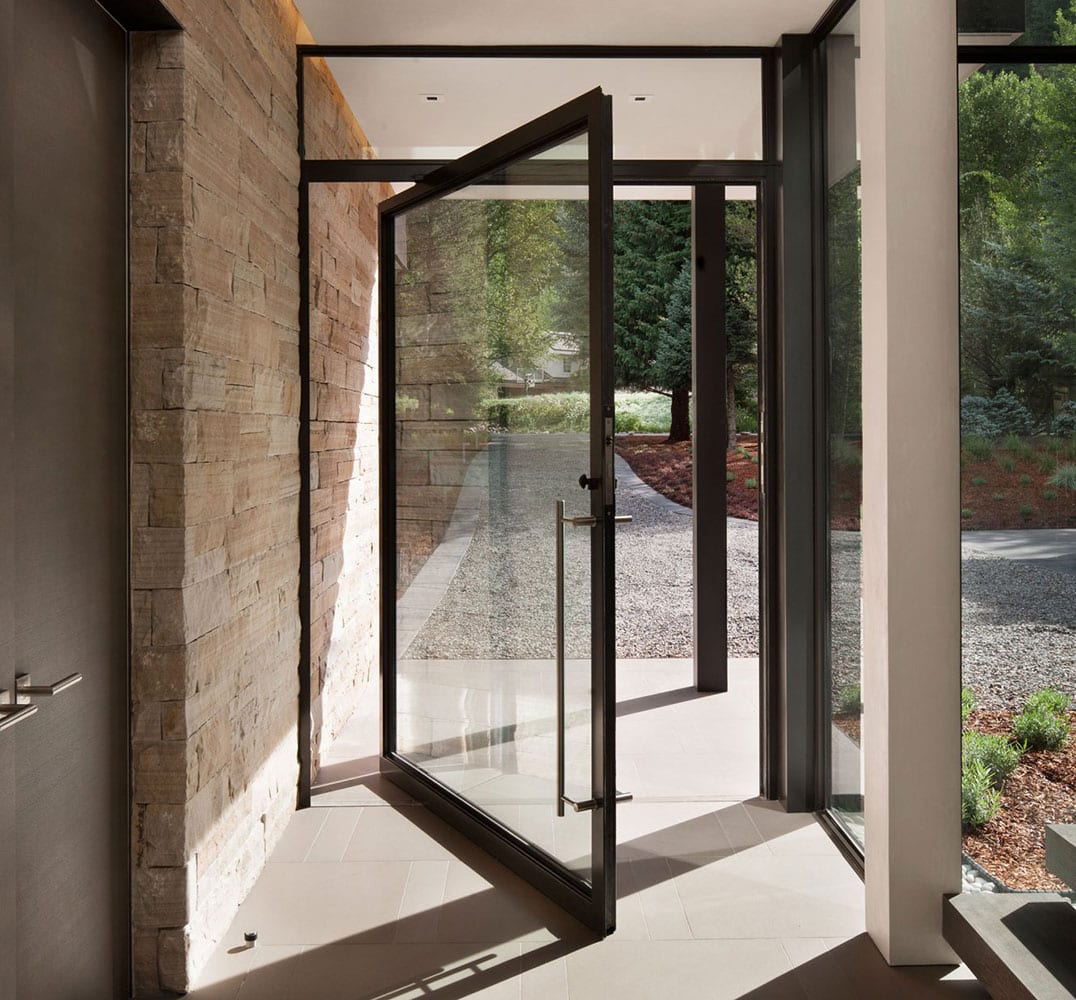
Massive glass and steel pivot door in entryway

Same Opening, But Different Outcomes

At a glance, many systems can appear similar. But beneath the surface, each material carries its own logic—its own implications for:

  • structural behavior
  • thermal performance
  • longevity
  • maintenance
  • tactility and expression

The question is not “Which product?” but rather “What does this project require, and what will hold over time?”

A Unified System, Guided by Material

Dynamic systems are not a collection of unrelated products.

They are built around a unified design language—consistent geometry, aligned sightlines, and disciplined detailing—expressed through different materials.

This allows architects to maintain visual continuity while selecting the material that best responds to the project’s demands.

The frame does not change, but the logic does.

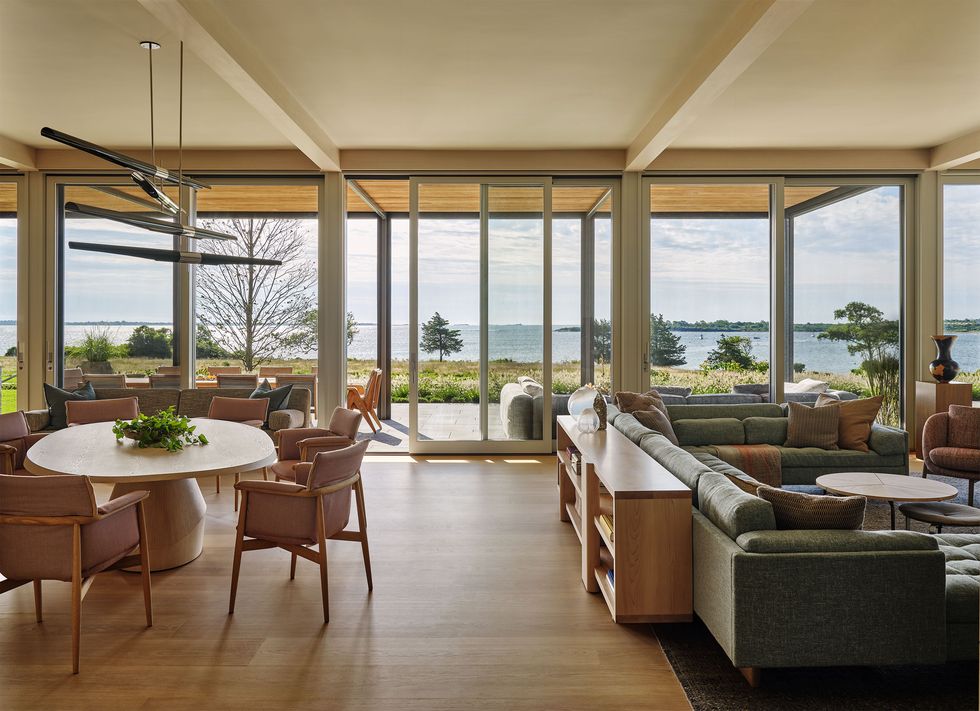
sea view livingroom
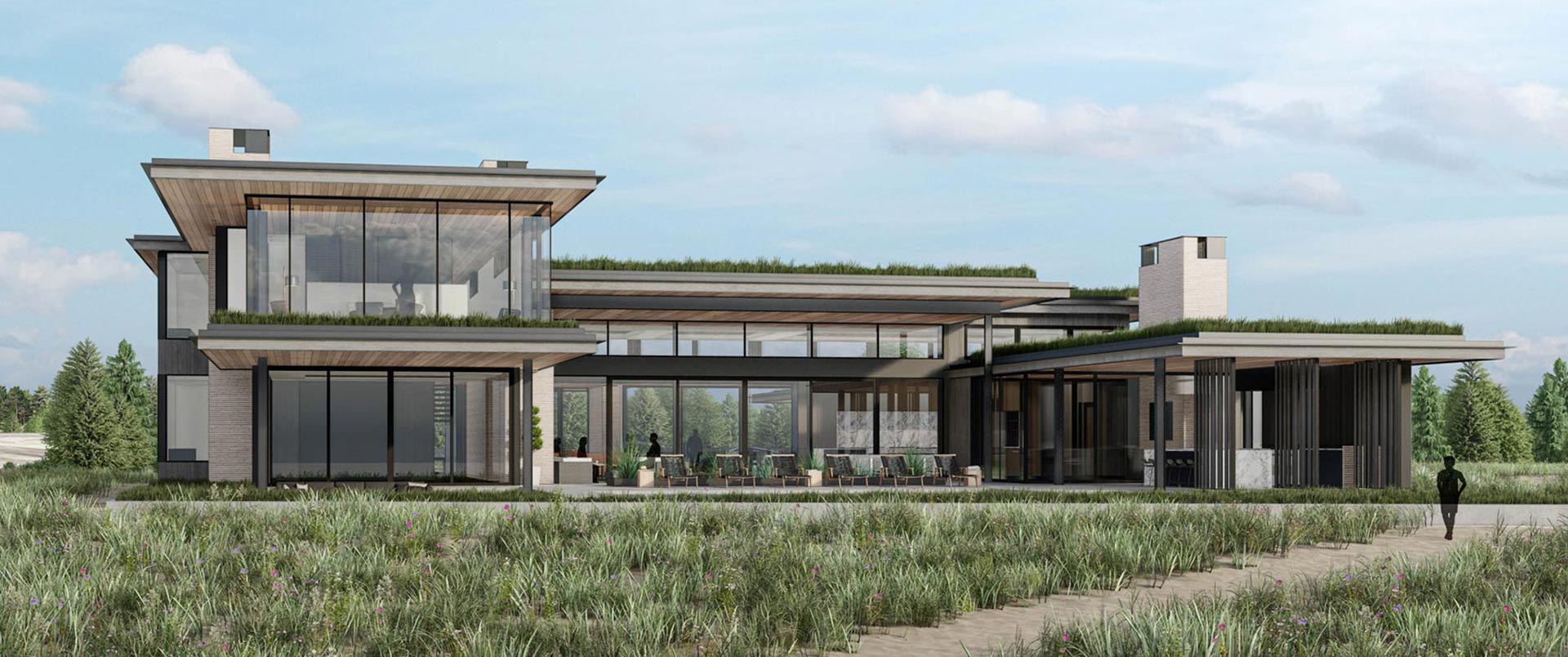
architects

Guided, Not Selected

Architects are not expected to resolve these variables alone.

Through early engagement, our Navigators help align material decisions with the broader project context, ensuring that what is chosen can be executed without compromise.

This is not about presenting options. It is about guiding the right decision.

Frequently Asked Questions

Bronze, aluminum, and stainless steel are selected based on design intent, environmental exposure, performance requirements, and long-term project goals. Each material has different structural, thermal, aesthetic, and maintenance characteristics. No material is inherently better than another. Our Navigators evaluate the architecture first, then recommend the material best suited to the project.

Wood-clad windows are typically selected when a project seeks the warmth of natural wood interiors with reduced exterior maintenance. Solid wood is often preferred when material authenticity and natural aging are central to the design vision. The appropriate choice depends on climate, maintenance expectations, and architectural intent.

Aluminum and bronze are both used successfully in coastal projects, but they perform and age differently in coastal environments. Bronze develops a natural protective patina, while aluminum relies on engineered finishes and coatings for long-term performance. The appropriate choice depends on environmental exposure, maintenance expectations, and the desired architectural outcome.

Fabrication methods vary by material, system design, and performance requirements. While welded sash and frame is the default in most Arte systems, the appropriate fabrication method depends on the application. What remains constant is our commitment to structural integrity, precision, and long-term performance.

The primary lifecycle difference between bronze and aluminum is how the materials age and are maintained over time. Bronze develops a natural patina that becomes part of its character, while aluminum typically retains its appearance through engineered finishes and coatings. Both materials can provide exceptional longevity when properly specified for the application.

Material substitution requests are evaluated based on their impact on performance, aesthetics, durability, maintenance, and constructability. A material change is rarely just a material change. Our Navigators assess the broader implications and help project teams understand the trade-offs before decisions are made, ensuring design intent remains protected throughout development.

Material Is Only the Beginning

The system matters. The material matters. But neither defines the outcome on its own.

What matters is how decisions are made, and how they are carried through.

That is where Dynamic operates.